

The Future of GPT: An In-Depth Analysis
1. Introduction
Generative Pre-trained Transformer (GPT) technology has changed the way artificial intelligence interacts with human language. Since its inception, GPT has been pivotal in advancing natural language understanding and generation, making it a powerful tool across many sectors. As we look to the future, understanding the potential of GPT’s evolution, its applications, and the ethical challenges it presents is essential for preparing society and shaping responsible technological growth.
2. Evolution of GPT Technology
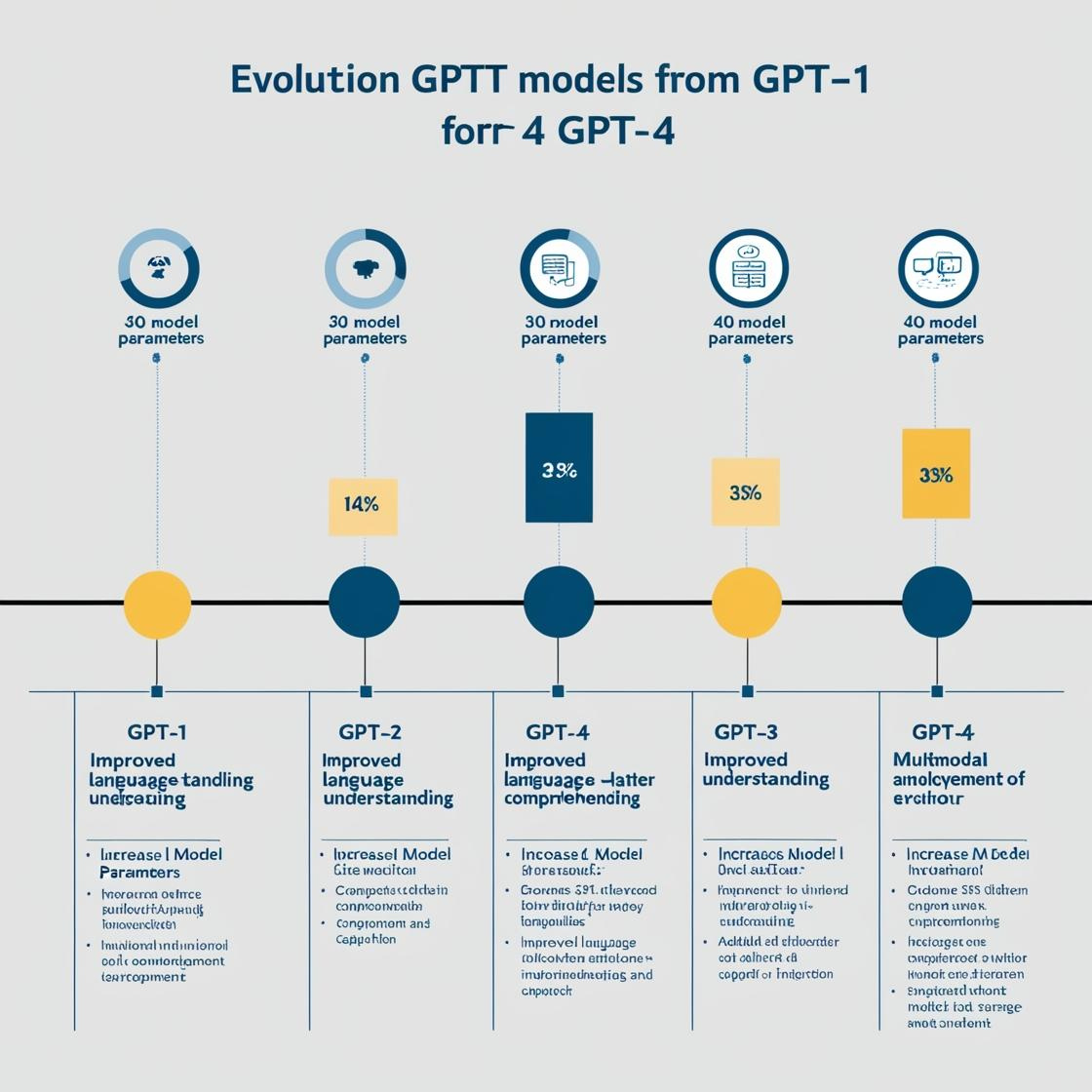
The journey of GPT began with GPT-1, which introduced basic language processing abilities. It demonstrated how models could understand and generate human-like language but was limited in complexity and nuance. GPT-2 expanded these capabilities, significantly improving the length, fluency, and relevance of its responses. GPT-3 brought a major leap in sophistication, boasting 175 billion parameters that allowed it to handle nuanced language tasks, recognize context better, and perform zero-shot learning (solving tasks it hadn’t specifically been trained for). The most recent versions, like GPT-4, add increased accuracy, more refined language capabilities, and multimodal features that handle text, images, and other input types.
Future GPT models may advance in areas like:
- Enhanced Reasoning and Problem-Solving: Newer GPT models will likely improve their logic and reasoning, giving them the ability to perform more complex analysis, interpret context with better accuracy, and even perform critical thinking tasks.
- Interpretability and Control: As GPT models grow in complexity, the need for interpretability becomes essential. Future models may offer users greater control over outputs, making it easier to tailor responses and avoid unintended results.
- Multimodal Capabilities: Expanding beyond text, upcoming models could handle multiple types of inputs simultaneously, such as images, audio, and even videos. This would enable GPT models to engage in richer, more immersive conversations that combine visual, auditory, and linguistic elements.
These advancements will expand the utility of GPT models, allowing them to integrate seamlessly into both professional and personal settings, enhancing productivity and problem-solving across industries.
3. Enhanced Applications and Use Cases
The potential applications for future GPT models are extensive, spanning from specialized industry roles to creative and personal assistant tasks.
- Industry-Specific Applications:
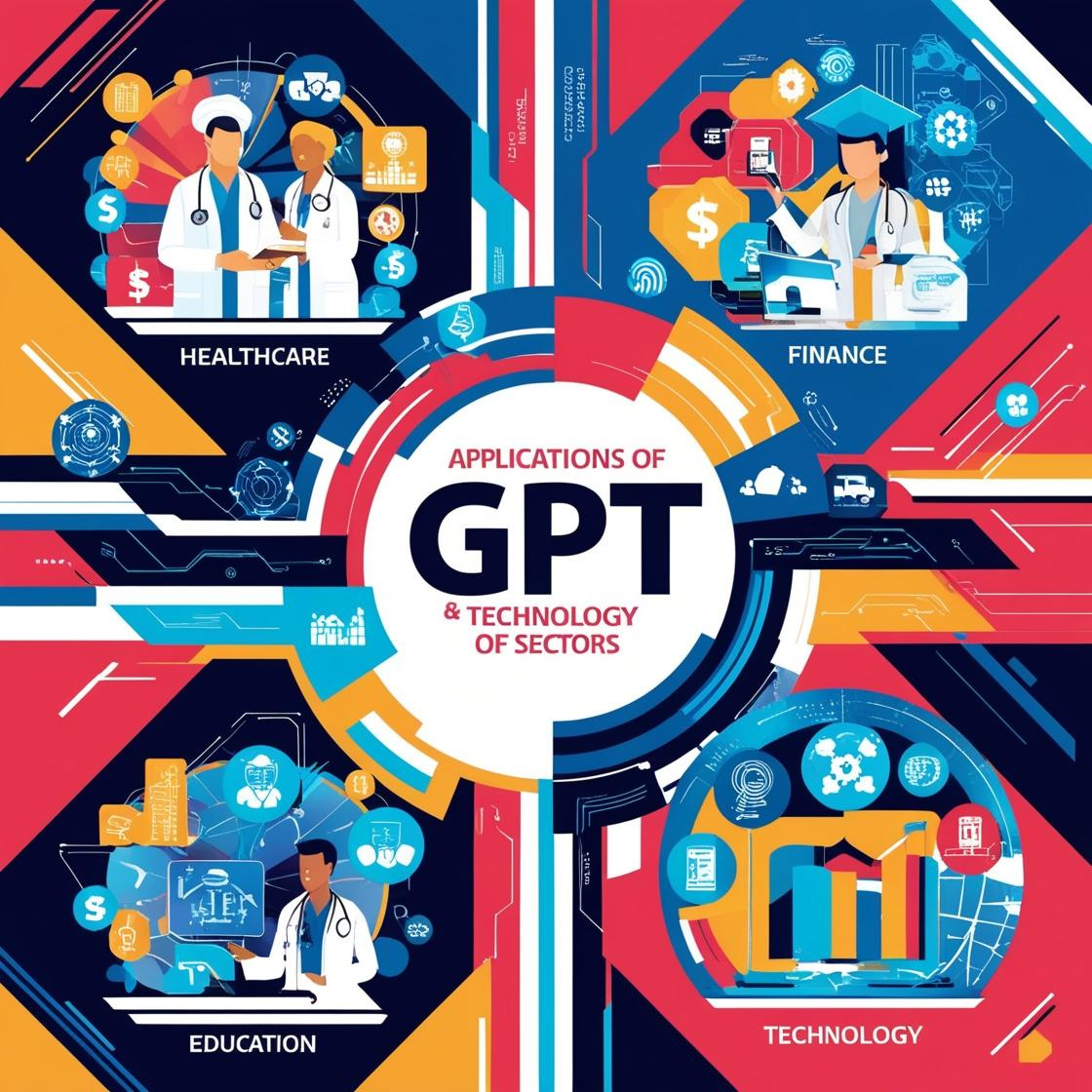
- Healthcare: GPT could become a valuable tool for diagnosing health conditions by analyzing patient data or suggesting treatments based on extensive medical knowledge. AI could support healthcare professionals by offering insights drawn from vast amounts of patient and treatment data.
- Finance: In finance, future GPT versions could assist with analyzing markets, making real-time risk assessments, and supporting personalized financial planning.
- Education: GPT’s use in education could mean more customized learning experiences, helping teachers create resources and even interactively assist students in real-time.
- Customer Service: AI-powered support could handle inquiries with greater accuracy, reducing response times, and adapting to complex requests.
- Creative Applications:
GPT’s evolution will also influence creative fields like music, art, storytelling, and entertainment. In art, GPT could assist in generating ideas for artists or producing artwork. In storytelling, GPT could craft immersive and interactive experiences for users in books, games, or virtual reality, broadening creative possibilities. - Personal Productivity and Task Management:
In daily life, advanced GPT models could function as intelligent personal assistants, helping users organize their schedules, brainstorm ideas, generate documents, or even make decisions based on data analysis. Additionally, as a source of mental health support, GPT could provide users with empathetic and non-judgmental assistance, offering comfort, practical advice, and resources in an accessible format.
These applications show how GPT’s evolution could embed AI into more facets of life, shaping a world where technology plays an increasingly supportive role.
4. Ethical Challenges and Considerations
As GPT technology grows more powerful, ethical considerations become more crucial.
- Privacy and Data Security:
GPT models learn from vast datasets, often including sensitive or personal information. Ensuring data security and privacy is critical, especially as models gain access to a larger pool of information. Safeguarding against data breaches, misuse, and unauthorized access will require enhanced encryption, access controls, and adherence to privacy standards. - Bias and Fairness:
Since GPT models are trained on internet-sourced data, they can inherit biases and unintended prejudices. Efforts to reduce these biases are critical to ensure fair and impartial use. Developers will need robust processes for bias detection and mitigation, striving for transparency and inclusivity. - Regulation and Governance:
Balancing innovation and responsible development requires regulatory frameworks. These frameworks should protect against misuse, such as disinformation or exploitation, while encouraging safe and beneficial advancements. Governments, tech organizations, and researchers will need to collaborate to establish effective and adaptable regulations for GPT technology.
5. Societal Impact and Adaptation
As GPT becomes integrated into more facets of life, society will need to adapt to its impacts.
- Employment and Job Market Shifts:
With the ability to automate complex tasks, GPT technology could transform job markets. While some jobs may become obsolete, new roles focusing on managing, overseeing, and interpreting AI systems could emerge. These shifts could require new training and education to prepare the workforce for AI-assisted roles. - Human-AI Interaction:
Increased reliance on AI can alter how people interact socially and professionally. Education may incorporate GPT as a learning assistant, changing classroom dynamics and expectations. The way people communicate may also evolve as they grow accustomed to AI-generated responses. - Psychological and Cultural Impact:
As GPT models improve, they could become trusted companions or advisors, potentially affecting mental health and societal norms. Dependence on AI for decision-making or support could influence social norms, cultural expectations, and individual self-perception. Societal values around AI and technology’s role in life may evolve, potentially creating both new benefits and challenges.
6. The Role of Collaboration and Regulation
The future of GPT requires cooperative efforts among AI developers, policymakers, ethicists, and society. OpenAI, alongside other tech leaders, will need to actively engage in discussions about ethics, risks, and public welfare. Regulatory frameworks should support innovation while ensuring that AI technology adheres to standards that prioritize safety, fairness, and accessibility.
Global collaboration is also crucial in regulating GPT and similar technologies. By establishing international standards, regulators can ensure that AI advances benefit society as a whole, avoiding misuse and fostering safe, responsible AI growth.
7. Conclusion
The future of GPT is filled with possibilities that promise to reshape society, industry, and individual lives. With applications ranging from healthcare to personal productivity, GPT technology could bring about significant improvements in efficiency, creativity, and human support. However, the ethical and societal implications are equally significant. Responsible development, thoughtful regulation, and open collaboration will be essential to realize GPT’s potential for good while mitigating its risks. Through commitment to these values, GPT technology can emerge as a trusted, constructive partner in the world of tomorrow.
FAQs
- What are the key advancements expected in future GPT versions?
- Future GPT models may have enhanced reasoning, multimodal integration (handling text, audio, and images simultaneously), and better interpretability, allowing users more control over responses.
- How will GPT technology impact job markets?
- GPT technology could automate certain tasks, changing demand for specific jobs, but it also creates opportunities for roles centered on AI management, oversight, and human-centered AI application.
- What are the ethical concerns with GPT technology?
- Primary ethical concerns include privacy, data security, and bias. Regulation and careful design are essential to address these challenges responsibly.
- How can GPT be used in creative fields?
- GPT technology can support storytelling, art, and music creation, offering new tools for artists and writers while also democratizing content creation.
- What role does regulation play in GPT development?
- Collaboration between tech companies, ethicists, and regulators is essential to create responsible AI guidelines that ensure safety and inclusivity.
 Laivindur